Horror books turned into movies hit differently when they follow you from the page to the screen. You finish the book, turn off the light, and feel uneasy. Then you watch the movie and realize the fear never left.
I have seen this pattern play out for years, both as a reader and as a writer who understands how stories sink their hooks in deep. Horror novels made into movies succeed when they respect tension instead of rushing to the loud parts.
Scary books adapted into films work because you already carry the fear with you. Your mind fills in the quiet moments before the camera does. I have always admired how classic horror books and movies build dread through mood, not excess.
The best horror book to movie adaptations trust the audience to feel discomfort without being told to jump. That trust explains why these horror stories that became movies still unsettle you today.
Why Horror Books That Became Movies Still Terrify Modern Audiences
Fear hits harder when a story settles in your mind before you ever see it move. Reading creates private images, personal timing, and quiet dread that no camera can rush. By the time you watch the film, tension already waits for you.
I have felt this many times after reading a novel first and noticing how scenes land faster and deeper on screen. Horror novels made into movies gain power from that mental groundwork.
Scary books adapted into films also arrive with emotional weight baked in. Novelists spend pages shaping fear through memory, guilt, and anticipation. When filmmakers preserve those layers, dread feels intimate rather than distant.
I learned through years of writing that fear grows stronger when it feels familiar. Many of the scariest book to film adaptations succeed because they respect that slow pressure.
Modern viewers still react because the themes stay timeless. Isolation, belief, loss, and paranoia remain universal. Horror movies based on books use those fears with focus and restraint. That balance explains why classic horror books and movies still unsettle audiences today.
What Makes a Horror Book-to-Movie Adaptation Truly Scary?
Strong adaptations keep the heart of the story intact. The fear must come from character tension rather than surface shocks. You notice this difference right away when a film respects the emotional weight of the book.
I have seen horror movies based on books fall apart when they chase noise instead of mood. The best horror book to movie adaptations protect the dread that made readers uneasy in the first place.
Timing and restraint shape how fear lands on screen. Novels stretch tension through silence and pacing, and films must recreate that rhythm visually. Fast edits and constant action weaken suspense over time.
I learned through decades of writing that fear works better when it lingers. Many terrifying novels adapted for the screen succeed because they slow down instead of rushing.
Certain traits appear often in chilling horror book adaptations that endure:
- Characters who react like real people
- Atmosphere that builds unease without excess
- Themes tied to guilt, belief, or isolation
Psychological horror books adapted to film and supernatural horror book adaptations rely on these elements. Cult classic horror book movies earned their reputation by trusting this formula. Horror adaptations that stayed faithful to the book rarely lose their impact.
7 Horror Books That Became Movies and Still Scare Audiences Today
This list comes from decades of reading, watching, and studying horror from both sides of the page. I chose these titles based on cultural impact, longevity, and how well the fear survived the move to film.
Horror books turned into movies earn their place here because they still unsettle new audiences. Each one shows how horror novels made into movies can stay sharp long after release.
You will notice that many of these scary books adapted into films share one trait. The fear grows from people, not tricks. I have reread these novels and rewatched the films more times than I can count.
The strongest horror stories that became movies keep their emotional pressure intact. That quality separates iconic horror books in cinema from forgettable releases.
The following entries represent scariest book to film adaptations that earned their reputation:
- Stories that shaped modern horror language
- Films that respected their source material
- Themes that still feel personal and unsettling
Classic horror books and movies appear here for good reason. These horror movies based on books continue to influence writers and filmmakers today. Each title proves that terrifying novels adapted for the screen can age without losing power.
The Exorcist by William Peter Blatty
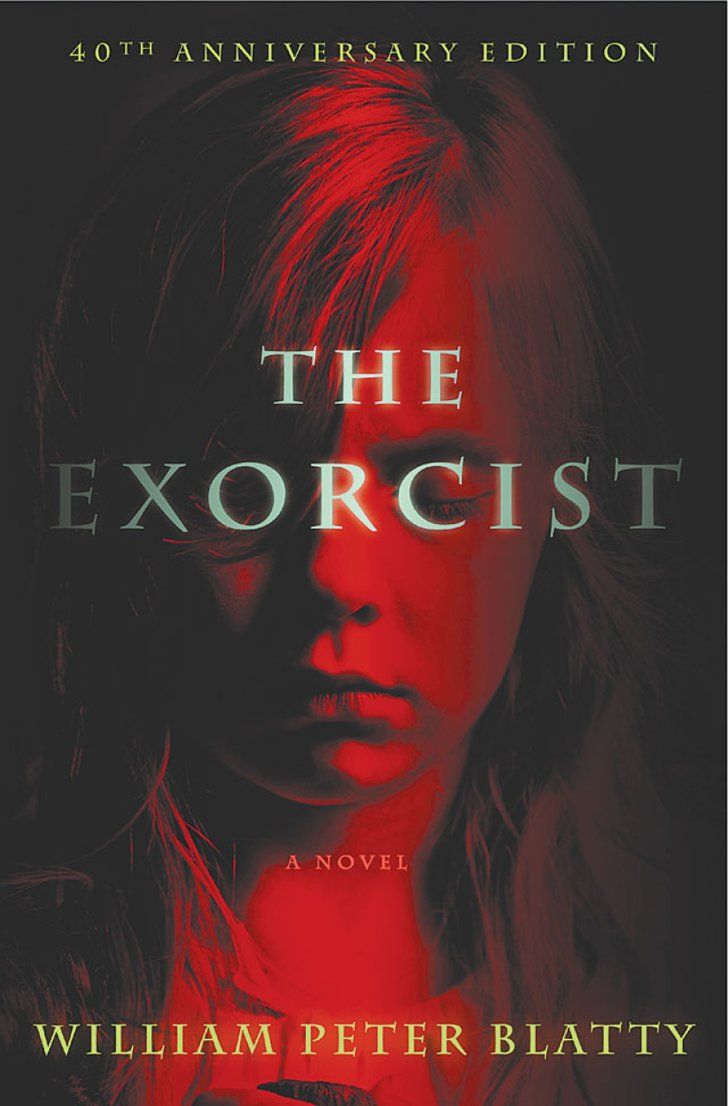
Few horror books turned into movies changed public fear the way The Exorcist did. The novel grounded its terror in realism, faith, and doubt rather than fantasy. You feel unsettled because the events feel possible, not distant.
I still remember reading it late at night and realizing the scariest moments came from quiet conversations, not possession scenes. Horror novels made into movies rarely carry that level of restraint.
The film adaptation followed that same approach. The story moved slowly and let discomfort build without rushing to spectacle. That choice helped the movie earn its reputation as one of the scariest book to film adaptations ever made.
I admire how this horror adaptation stayed faithful to the book while using sound and pacing to deepen fear. Classic horror books and movies often fail to age well, but this one never lost its edge.
The success of The Exorcist shaped future horror literature adaptations. It showed filmmakers that terror works best when belief, guilt, and fear collide. Many horror authors whose books became films still study this title for a reason. This remains one of the scariest horror novels ever adapted.
The Shining by Stephen King
Isolation drives the fear in The Shining, and that tension carries cleanly from book to film. The novel traps you inside a broken family and refuses to let you look away. You feel the pressure rise through small moments rather than big shocks.
I read this one early in my career and learned how silence can feel louder than action. Horror books turned into movies rarely keep that level of internal tension.
The movie took a different path while keeping the unease intact. Visual framing, sound, and pacing replaced the book’s inner monologue. That creative shift still honored the spirit of the story.
Horror novels made into movies often stumble when they change too much, but this adaptation stayed effective. It stands among the most iconic horror books in cinema.
This title also highlights the debate around horror books vs movie adaptations. Differences exist, yet the fear remains strong in both versions. Psychological horror books adapted to film succeed when atmosphere carries the weight. The Shining proves that terrifying novels adapted for the screen can evolve without losing power.
Rosemary’s Baby by Ira Levin
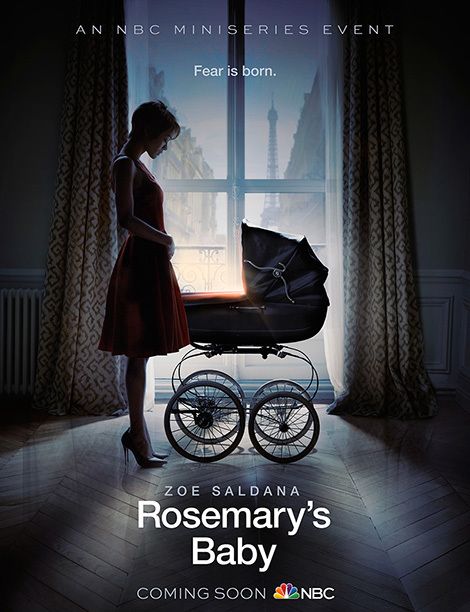
Paranoia fuels the fear in Rosemary’s Baby, and it never lets up. The novel places you inside one woman’s growing sense of isolation and mistrust. Every interaction feels slightly off, even when nothing obvious happens.
I read this book in one sitting and felt uneasy long after finishing it. Horror books turned into movies rarely maintain that steady pressure.
The film mirrored the novel’s restraint and focus. The camera lingered on faces, silences, and ordinary spaces that felt unsafe. That choice helped the story land as one of the most effective psychological horror books adapted to film. Horror novels made into movies often lose subtlety, but this one held firm.
This story stands as one of the most chilling horror book adaptations because it avoids excess. Doubt drives the tension from start to finish. Supernatural horror book adaptations work best when uncertainty leads the story. This remains one of the scariest book to film adaptations for viewers who fear loss of control.
It by Stephen King
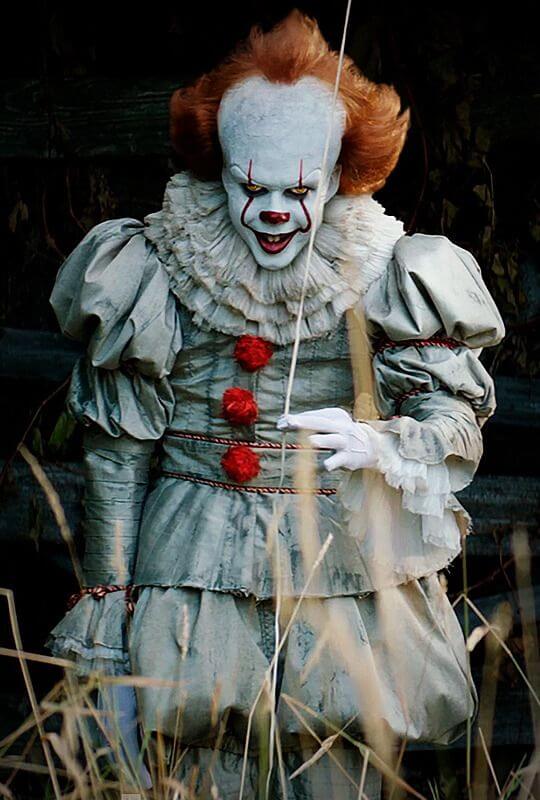
Childhood fear anchors It, and that choice gives the story its lasting power. The novel ties terror to memory, shame, and the lies kids tell themselves to feel safe. You sense danger even in moments that seem playful.
I read this one while juggling deadlines, and it still pulled me back into my own childhood fears. Horror books turned into movies rarely capture that emotional mix.
The screen adaptations leaned into atmosphere and character bonds. Both versions focused on how fear grows when adults stop listening. That approach helped this title earn a place among the bestselling horror novels adapted into movies. Horror novels made into movies often lose scope, but this story kept its scale without drowning in effects.
This entry shows why horror stories that became movies resonate across generations. Each era sees the monster through a different lens. Iconic horror books in cinema earn that status by changing with the audience. It remains one of the scariest horror novels ever adapted.
Psycho by Robert Bloch
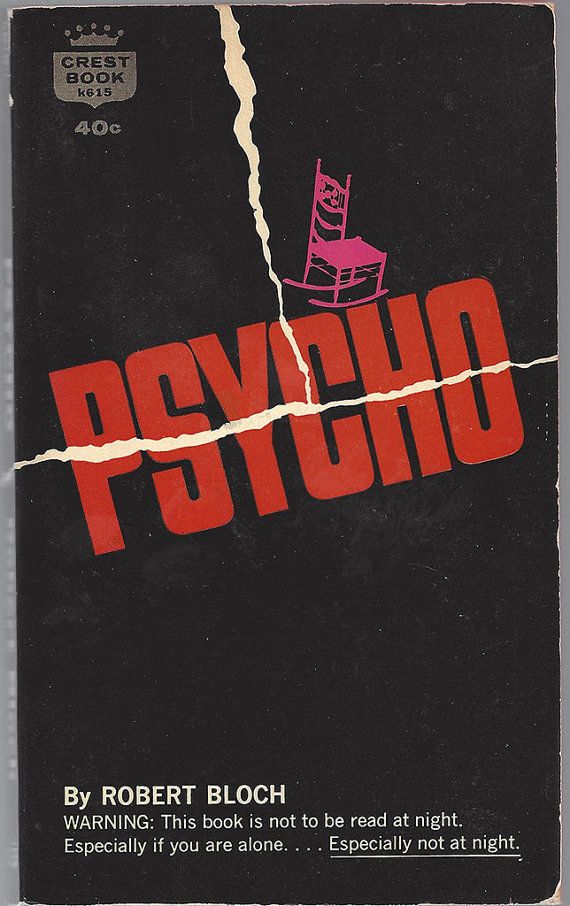
Psycho reshaped how audiences understood fear long before its most famous scene hit the screen. The novel built tension through obsession, secrecy, and fractured identity. You feel unease grow with every page because nothing feels stable.
I studied this book closely when learning how to control reader expectation. Horror books turned into movies rarely manipulate trust so precisely.
The film sharpened that discomfort through visual restraint and exact pacing. Every shot served a purpose, and silence carried weight. That discipline helped Psycho become one of the most iconic horror books in cinema. Horror novels made into movies often explain too much, but this adaptation trusted the audience.
This title stands as a turning point for horror literature adaptations. It proved terror could live inside the human mind without the supernatural. Many horror authors whose books became films still study it. Psycho remains one of the scariest book to film adaptations because it feels disturbingly real.
The Silence of the Lambs by Thomas Harris
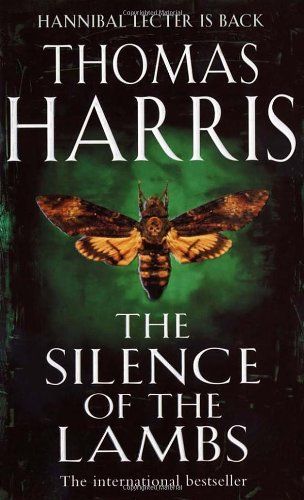
Realism drives the fear in The Silence of the Lambs. The novel places you inside a world where danger feels calculated and intelligent. Conversations carry as much threat as action.
I read this book while outlining one of my own thrillers and learned how dialogue alone can create tension. Horror books turned into movies rarely handle psychological pressure with such control.
The film stayed focused on character and restraint. It trusted the material to carry weight without excess. That choice helped it stand among the strongest psychological horror books adapted to film. Horror novels made into movies often lose nuance, but this one stayed sharp.
This story shows how horror stories that became movies can cross genres without losing impact. Crime and fear blend naturally here. Cult classic horror book movies earn their label through influence. This remains one of the scariest book to film adaptations because the danger feels human.
Pet Sematary by Stephen King
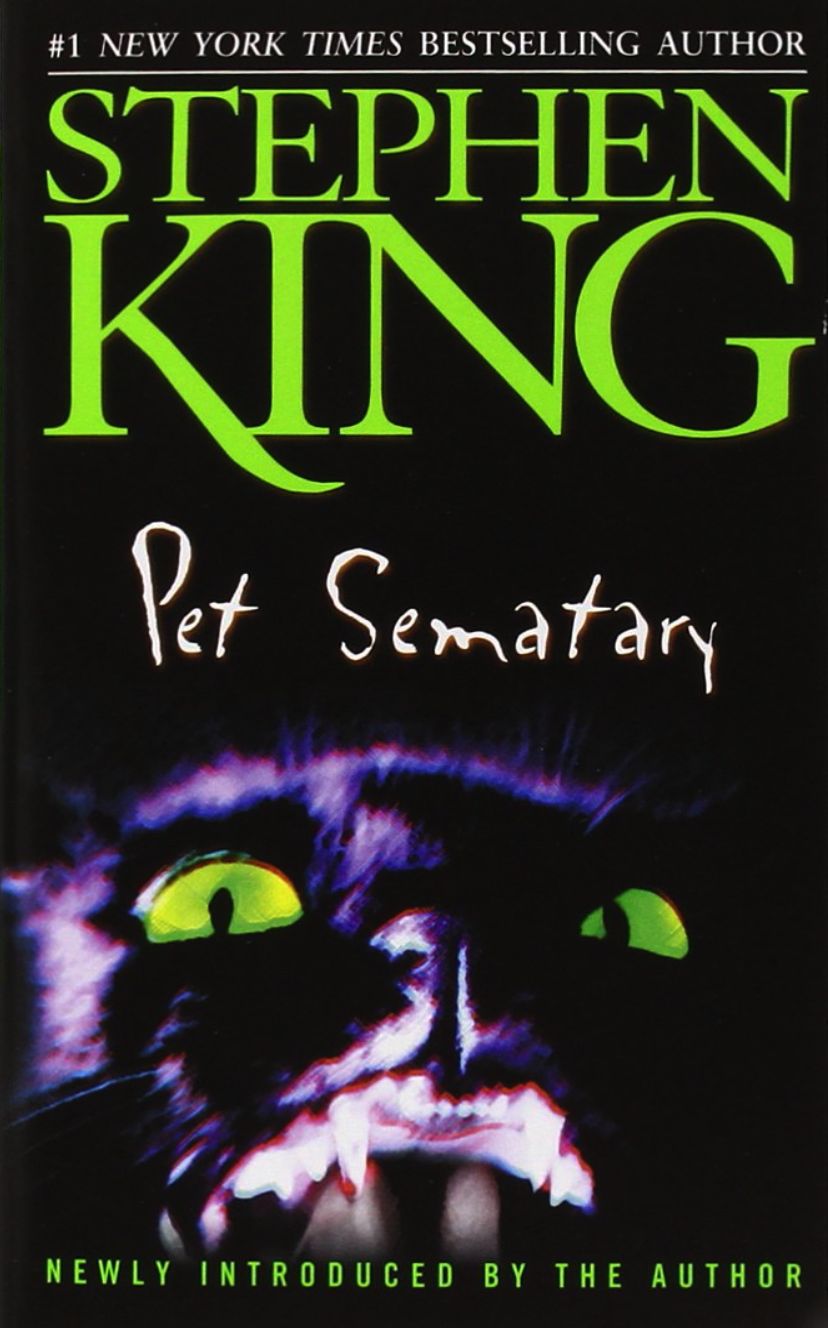
Grief sits at the center of Pet Sematary. The novel explores how loss pushes people toward choices they know will end badly. You feel the weight of those decisions long before anything supernatural appears.
I reread this book after becoming a parent, and the fear landed harder than before. Horror books turned into movies rarely hit so close to real life.
The film leaned into emotional tension rather than softening it. Quiet moments carried as much impact as darker scenes. That approach helped it earn a place among terrifying novels adapted for the screen. Horror novels made into movies often rush past emotional fallout, but this story refused to look away.
This title shows why some horror adaptations that stayed faithful to the book remain unsettling decades later. Supernatural horror book adaptations work best when human fear leads. Pet Sematary stands among the scariest horror novels ever adapted.
What Is the #1 Scariest Horror Movie of All Time?
Most critics, historians, and audience polls still point to The Exorcist as the scariest horror movie ever made. The fear comes from realism, patience, and belief rather than spectacle. The story treats possession as a serious crisis, not entertainment. I have watched it at different stages of my life, and the effect never weakened.
The film benefits from its literary roots. As one of the most influential horror novels made into movies, it carried structure and restraint into the adaptation. Sound design, silence, and performance carried tension. Scary books adapted into films often lose subtlety, but this one stayed disciplined.
Audience reactions continue to support its status. Viewers describe discomfort rather than excitement. Horror movies based on books that aim for fear instead of noise age better. This title remains the benchmark for scariest book to film adaptations.
What Is the Scariest Horror Book Ever Written?
Many readers still name The Exorcist as the scariest horror book ever written. The story treats fear as a slow invasion of everyday life. Faith, doubt, and responsibility collide in unsettling ways. I have read hundreds of horror novels, and few matched this quiet pressure.
Other titles often enter the discussion. Pet Sematary disturbs through grief and choice. It terrifies through memory and childhood fear. These scariest horror novels ever adapted share emotional realism. Horror novels made into movies succeed when that realism remains intact.
Books often scare deeper because they control time and thought. Psychological horror books adapted to film begin on the page. Horror literature adaptations that start strong tend to stay strong.
Horror Books vs Movie Adaptations — Which Is Scarier?
Books place fear directly inside your head. You control pace, images, and timing. That intimacy lets dread build personally. I have written scenes that felt mild on screen but devastating on the page. Horror books turned into movies begin with that advantage.
Movies bring intensity through sound and performance. Visuals guide emotion in shared space. Strong adaptations use restraint rather than constant action. Horror novels made into movies succeed when they respect that balance.
The strongest examples show value in both:
- Books deepen internal fear
- Films sharpen mood
- Great adaptations protect emotion
Iconic horror books in cinema earned their reputation by honoring both forms. Horror literature adaptations work best when neither medium overpowers the other.
Why Some Horror Book Adaptations Fail While Others Become Classics
Weak adaptations lose grip when they ignore why readers cared. Stories built on inner fear collapse when films rush past emotion. I have watched adaptations fail because they chased quick reactions. Horror books turned into movies demand patience.
Strong adaptations protect tone and character. Silence, pacing, and performance carry tension. That approach appears in chilling horror book adaptations that last. Horror novels made into movies succeed when scenes breathe.
Patterns that separate classics from misfires include:
- Respect for emotional core
- Careful pacing
- Realistic character behavior
Horror adaptations that stayed faithful to the book age better. Cult classic horror book movies earn loyalty through consistency. Terrifying novels adapted for the screen stay powerful through restraint.
FAQs About Horror Books That Became Movies
What horror books have been turned into movies?
Hundreds of horror books turned into movies over the last century. Many began as bestselling horror novels adapted into movies due to lasting appeal.
Authors like Stephen King, William Peter Blatty, Ira Levin, Robert Bloch, and Thomas Harris dominate this space. I have followed these adaptations across my career, and the same names return for good reason.
These titles work because they proved themselves with readers first. Horror novels made into movies carry built-in tension and trust. Horror stories that became movies tend to last longer when they start strong.
Are horror movies based on books scarier than original films?
Horror movies based on books often feel scarier due to layered fear. Books establish inner thoughts before visuals appear. I have watched originals fade fast while adaptations stayed with me. Scary books adapted into films often hold deeper impact.
Original films can succeed, yet adaptations begin with proven mechanics. Horror books vs movie adaptations differ in formation, not strength. Psychological horror books adapted to film benefit most.
Which Stephen King book adaptation is the scariest?
Many point to The Shining or Pet Sematary. Each uses fear rooted in family and isolation. I have revisited both, and life experience changes how they land. That flexibility keeps them disturbing.
King writes human fear first. Supernatural elements amplify emotion. That explains why his work dominates scariest horror novels ever adapted lists.
Why do horror book adaptations work so well?
Adaptations work because novels build tension early. Readers already know danger and cost. That preparation sharpens scenes. Classic horror books and movies show this clearly.
Chilling horror book adaptations rely on patience. Cult classic horror book movies protect atmosphere. Terrifying novels adapted for the screen succeed through respect.
Are there modern horror books likely to become movies?
Recent horror novels attract studios because they focus on character-driven fear. Strong reader response matters. I track these trends closely as a writer. Patterns that shaped iconic horror books in cinema still apply.
Stories grounded in psychology adapt best. Horror authors whose books became films built trust early. Horror adaptations that stayed faithful to the book often involve author input.
Why These Stories Refuse to Let You Sleep Easy
Some stories cling because they understand fear at a human level. After publishing more than fifty books, I can say lasting horror starts with truth. Monsters only work when emotions feel real. Horror books turned into movies endure because fear grows from grief, belief, guilt, and isolation.
The strongest adaptations succeed through restraint. Filmmakers who respect the book give fear room to breathe. Horror novels made into movies that follow this approach stay relevant across generations. You feel the difference immediately.
My opinion stays firm. Horror works best when it earns its place on the screen. Scary books adapted into films keep winning because they proved their power first. Stories that scare you in private often scare you more in the dark.