
Writing a novel for film adaptation starts with how clearly you let readers see the story play out. When you focus on visual scenes, strong imagery, and clean narrative flow, your story feels ready for screen translation from the first chapter. You guide the reader through action-driven moments that support story momentum and rising tension. That clarity gives your novel immediate cinematic appeal.
I have written more than fifty books, and the titles that gained real attention shared one trait. They moved with purpose from the beginning, middle, and end. Each chapter delivered clear story beats, emotional payoff, and dramatic turning points tied to character choices. That approach supports novel to film adaptation because it respects how films rely on cause-and-effect storytelling.
-
Writing a novel for film adaptation works best when you focus on visual scenes clear structure and strong story momentum.
-
Film-ready novels rely on character motivation emotional depth and clear external stakes that show on the page.
-
Stories with clean pacing strong turning points and simple structure translate more easily to the screen.
-
Producers respond to novels that balance creative storytelling with visual feasibility and market awareness.
-
A clear engaging story written for readers first often attracts film interest without forcing adaptation.
A book to movie adaptation rarely happens by accident. Writing a novel for Hollywood requires market awareness, visual logic, and audience engagement built into the story itself. When you combine emotional depth, external stakes, and strong character motivation, you create a scalable story with adaptation potential. That structure invites producers to picture scenes, settings, and pacing without heavy interpretation.
Why Some Novels Become Hit Movies While Others Never Do
Some novels become hit movies because they already speak the language of film. A film-adaptable novel relies on visual clarity, strong imagery, and scene transitions that move the story forward through action. Readers can picture camera-friendly moments, location-based storytelling, and visual contrast without effort. That ease of visualization creates immediate interest during a novel to film adaptation review.
I have watched strong books stall because they leaned too hard on explanation instead of motion. Stories with clean narrative focus, cinematic pacing, and story economy travel faster and hold attention longer. When rising tension builds through external stakes and internal conflict, the emotional payoff lands with weight. Market appeal grows when the story feels practical to produce and clear to follow on screen.
Stories that fail to adapt often struggle with scope or structure. Excess characters, scattered timelines, and heavy exposition slow story momentum. Producers favor adaptable structure, visual feasibility, and audience engagement over ornate prose. Writing a novel for film adaptation means respecting production constraints while still delivering emotional resonance.
Can a Novel Be Turned Into a Movie?
Yes, a novel can be turned into a movie when the story supports clear screen translation. Writing a novel for film adaptation requires attention to visual storytelling language, story scalability, and emotional clarity. Producers look for strong narrative flow, visual scenes, and story momentum that holds from the opening act through the final resolution. These traits signal adaptation potential early in the review process.
I have seen publishers and producers pass on solid books because the execution worked only on the page. Film-ready stories rely on cause-and-effect storytelling, believable reactions, and action-driven moments that replace long explanation. When scenes contain camera-friendly moments and strong visual logic, the path from book to movie adaptation feels realistic.
Elements that increase adaptation potential include:
- Clear external conflict that drives each scene forward
- Visual, scene-based storytelling built around strong imagery
- Strong character motivation tied to personal stakes
- Manageable scope and settings that support visual feasibility
What Makes a Novel a Hit?
A hit novel connects with readers long after the final page. Sales matter, but audience engagement, word of mouth, and longevity matter more when film studios review a title. Stories that deliver emotional resonance through relatable emotions and human stakes tend to travel farther. That connection fuels adaptation interest because films rely on shared emotional experience.
From my own publishing career, the books that kept selling stayed grounded in universal themes and moral tension. A strong narrative flow, rising tension, and emotional payoff helped those stories build lasting momentum. Producers notice when a novel keeps readers invested across many chapters.
Common traits of hit novels include:
- Universal themes audiences recognize instantly
- High emotional stakes rooted in personal journey
- A simple but powerful core premise
- Memorable characters with clear presence
How to Write a Book That Becomes a Movie
Writing a book that becomes a movie starts with serving the reader before anyone else. When you focus on story momentum, emotional depth, and reader immersion, the film side often follows on its own. I write every novel with narrative discipline and drafting with intention, because a clear story always travels farther.

Film-friendly novels feel easy to visualize because they rely on purposeful description and focus on action. Each scene carries clear objectives, believable reactions, and character choices that shape the plot. That clarity gives your book strong adaptation potential without forcing it into a script shape.
Core writing principles include:
- Show outcomes through action-driven moments instead of explanation
- Keep scenes focused on one clear objective with strong external stakes
- Let character decisions drive the plot and emotional transformation
Writing With Cinematic Storytelling in Mind
Cinematic storytelling starts with how you frame each moment on the page. You write scenes so readers can follow physical movement, spatial awareness, and visual logic without confusion. Visual scenes rely on strong imagery, visual contrast, and clean scene transitions that guide the eye from action to reaction.
I picture every scene as if a camera watches from a fixed point. That habit keeps description purposeful and avoids clutter that slows pacing. Camera-friendly moments and location-based storytelling give the story visual clarity and support rising tension.
Screen-ready prose relies on story visualization, narrative focus, and scene compression. Purposeful description helps readers track who moves, who speaks, and what changes. That discipline strengthens adaptation potential and screen translation.
How to Turn a Story Into a Film
Turning a story into a film means translating the core experience into a visual format. The heart of the story stays the same, but delivery changes to fit pacing, time, and visual feasibility. Writing a novel for film adaptation works best when you accept that adaptation reshapes scenes rather than copying them.
Films rely on visual storytelling language, so internal conflict must show through behavior, dialogue, and character presence. Action-driven moments replace long reflection, and scene objectives stay clear. That shift protects narrative flow and cinematic appeal.
Typical adaptation changes include:
- Internal monologue becomes visual action or spoken subtext
- Side plots get compressed or removed
- Characters merge or simplify to support clarity
Structure That Works for Both Novels and Movies
Strong structure gives your story stability across formats. A clear beginning, middle, and end guide audience attention and support narrative flow. When each act raises external stakes and internal conflict, story momentum holds.
A decisive turning point before the final act forces the flawed protagonist into a moral dilemma. That moment anchors the transformation arc and strengthens adaptation potential. Producers favor stories with structural clarity and visual logic.
Film-friendly structural elements include:
- Clear beginning, middle, and end
- Escalating conflict in every act
- A decisive turning point before the final act
Characters That Translate Well to the Screen
Characters carry the weight of any novel to film adaptation. Audiences respond to clarity because it allows believable reactions to land on screen. Strong character motivation, personal stakes, and emotional depth help viewers follow the story.
A flawed protagonist who faces moral tension through visible choices creates stronger audience engagement. Relationship dynamics reveal emotional transformation through action rather than reflection. That clarity builds cinematic appeal.
Screen-adaptable character traits include:
- Clear desires that shape scene objectives
- Tough choices that drive internal conflict
- Emotional growth the audience can see
Dialogue That Sounds Natural on Screen
Dialogue works best on screen when it mirrors real speech. Spoken rhythm, silence between lines, and character voice ground scenes in realism. Natural dialogue supports visual clarity and story momentum.
Lines carry more power when they rely on subtext and unspoken tension. Conflict in conversation keeps scenes active even during quiet moments. Purposeful dialogue protects emotional payoff.
Effective film-ready dialogue includes:
- Short, purposeful exchanges
- Subtext beneath the words
- Conflict in every conversation
Genre Choices That Adapt Well to Film
Genre shapes adaptation potential by setting audience expectations and production scope. Writing a novel for film adaptation works best when the genre supports visual scenes and scalable storytelling. That balance protects creativity while respecting market realities.
Certain genres support action-driven moments and set-piece scenes more easily. These stories handle pacing, scene compression, and audience engagement with less friction.
Genres with strong adaptation history include:
- Thriller
- Drama
- Romance
- Science fiction
- Grounded fantasy
Pacing Your Novel Like a Movie
Pacing controls how long readers stay locked into your story. Strong narrative momentum keeps attention high and protects reader immersion. Cinematic pacing supports rising tension and emotional payoff.
Revision mindset matters here. Trimming excess exposition and tightening scenes reveals the story’s heartbeat. Clear shifts in stakes or conflict keep momentum strong.
Effective pacing techniques include:
- Shorter scenes during high tension
- Clear stakes in every chapter
- Regular turning points
Writing With the Film Industry in Mind (Without Compromising Your Story)
Professional awareness shapes how far a story can travel. Film professionals evaluate clarity, cinematic appeal, and audience engagement rather than clever prose. Respecting production constraints protects adaptation potential.
Agents and producers look for story scalability, visual feasibility, and emotional resonance. Clean narrative focus and adaptable structure build trust. Writing the strongest novel first remains the priority.
Purposeful description, clear scene objectives, and emotional depth carry weight. That mindset supports adaptation without weakening the story.
How Books Get Chosen for Film Adaptation
Film adaptations often start with visibility. Producers track audience engagement, sales performance, and cultural traction. A novel to film adaptation usually begins once a story proves broad appeal.
Buzz matters because it signals lasting emotional resonance. Industry professionals watch for stories that scale across audiences and formats.
Common discovery channels include:
- Literary agents
- Film festivals
- Streaming platforms
- Word-of-mouth success
Film Rights, Options, and Adaptation Deals Explained Simply
Film rights allow producers to develop your story for the screen. An option agreement grants time to move the project forward. Strong audience engagement often triggers these conversations.
Details matter. Fair terms, short option periods, and clear renewals protect long-term value. Clean structure and visual feasibility increase leverage.
Common mistakes include early rights giveaways and ignoring future formats. Market awareness and patience protect creative control.
FAQ – Writing a Novel That Can Become a Movie
Can a novel be turned into a movie?
Yes, when the story supports clear screen translation through visual scenes, narrative flow, and cinematic pacing.
How do I write a novel that producers want?
Focus on clear story beats, strong character motivation, rising tension, and audience engagement.
Should I write my book like a screenplay?
No. Use visual storytelling language while keeping novel structure and readability.
Can self-published books become movies?
Yes. Visibility, sales data, and reader response matter more than publishing path.
What genres get adapted most often?
Thriller, drama, romance, science fiction, and grounded fantasy adapt well.
How long does a film adaptation take?
Several years, depending on development, financing, and production schedules.
Finally, Write the Story People Can See
I believe the strongest film adaptations begin with novels that readers can picture without effort. Visual scenes, clear story beats, and strong narrative flow give stories room to travel. My own books gained traction once I focused on emotional payoff instead of trends.
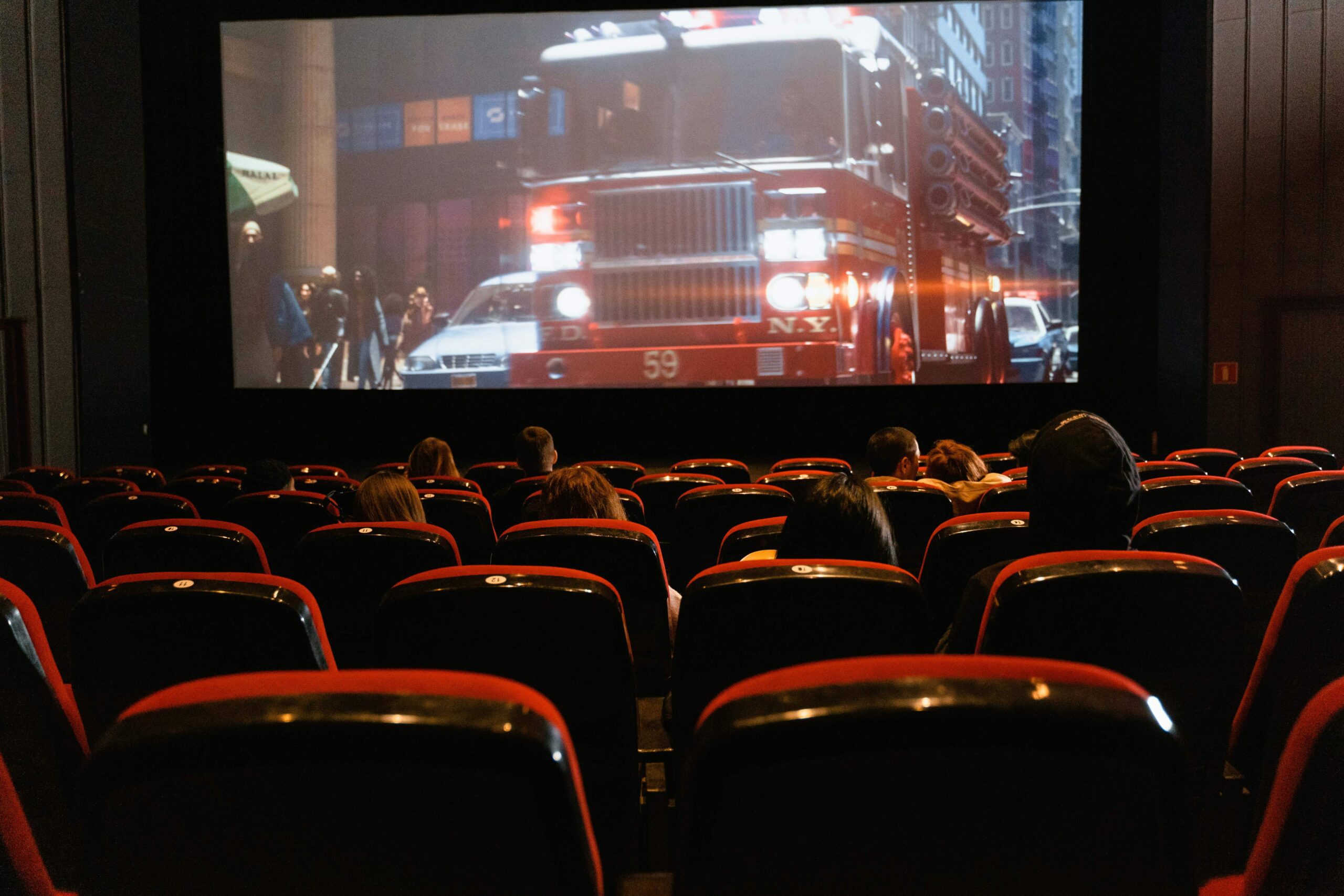
You gain more by writing with honesty than calculation. Emotional depth, human stakes, and believable character choices build lasting value. Producers respond to stories that respect the audience.
Write the cleanest story you can with confidence. Focus on action, emotion, and transformation. When readers can see the story unfold, adaptation follows naturally.